
 한국어
한국어 中文
中文Safe and successful piling operations in offshore wind farms demand specialized equipment and expert planning. Project teams choose a diesel pile hammer for its reliability and efficiency in offshore environments. Advanced features, routine maintenance, and strict regulatory compliance drive project success.
- Technology upgrades improve safety and performance.
- Proper hammer selection matches site conditions and project goals.
Diesel Pile Hammer Selection for Offshore Wind Farms
Choosing the Right Diesel Impact Hammer
Selecting the best diesel impact hammer for offshore wind farms requires careful evaluation of several factors. Project managers assess construction requirements, including pile type, dimensions, driving depth, and soil conditions. They inspect hammer condition, deciding between new or refurbished models based on budget and operational needs. Compatibility with existing piling rigs ensures smooth integration and avoids delays. Teams also consider the reputation of suppliers, choosing manufacturers known for quality and support.
Tip: SEMW offers robust support and a global reputation for reliability, making their diesel pile hammer models a preferred choice for offshore wind farms.
Key Selection Criteria:
- Assess construction project requirements for pile type, size, and soil profile.
- Evaluate the condition of the diesel impact hammer, inspecting critical components.
- Ensure compatibility with existing offshore piling rigs.
- Select a reputable supplier with proven offshore experience.
- Choose the appropriate hammer type for the specific offshore wind farms application.
Comparing Hydraulic and Diesel Impact Hammers
Project teams often compare hydraulic impact hammer and diesel impact hammer options for offshore wind farms. Each type offers distinct advantages and limitations. The table below highlights the main differences:
| Feature | Hydraulic Impact Hammer | Diesel Impact Hammer |
|---|---|---|
| Driving Efficiency | High striking frequency and concentrated energy, enabling faster pile penetration and stable operation | Lower efficiency, affected by environmental factors |
| Adaptability | Can adjust to various geological conditions and types of piles | Limited adaptability, struggles with hard soil layers |
| Control and Safety | Supports remote operation and automation, enhancing safety | High reliance on manual operation, increased safety hazards |
| Environmental Impact | Lower noise and emissions | High noise levels and pollution, often restricted by regulations |
| Cost | Higher initial investment and maintenance requirements | Lower initial costs but higher operational risks |
Hydraulic impact hammer technology provides high driving efficiency and adapts to complex offshore strata. It supports remote and automatic control, which enhances safety for offshore wind farms crews. Diesel impact hammer models offer lower initial costs and rugged durability, but they may present higher noise and pollution levels. Maintenance requirements differ, with hydraulic impact hammer systems needing regular care for hydraulic components, while diesel pile hammer models require less frequent attention and suit rugged offshore use.
Equipment Features for Offshore Projects
Advanced equipment features play a critical role in successful offshore piling operations. The D160 diesel pile hammer, designed by SEMW, incorporates several innovations that boost efficiency and reliability for offshore wind farms.
| Feature | Description |
|---|---|
| Impact Weight | 16,000 kg delivers powerful blows for deep pile penetration in offshore farms. |
| Energy Output | Up to 533,000 J per blow ensures rapid and precise pile installation. |
| Double Fuel Pump System | Guarantees even fuel distribution, improving performance and reducing energy loss. |
| Floating Helmet Design | Increases obtainable energy output by 20%, extending service life and lowering costs. |
| Cooling System | Prevents overheating, ensuring optimal performance during extended offshore operations. |
Modern diesel impact hammer models like the D160 feature double fuel pump systems and floating helmet designs. These technologies increase energy output and efficiency, which is vital for offshore wind farms. The cooling system supports continuous operation, reducing downtime and maintenance needs. SEMW’s global reputation for quality and advanced technology makes their diesel pile hammer models a reliable choice for offshore wind farms and other large-scale offshore projects.
Note: SEMW exports diesel pile hammer equipment to Europe, North America, Southeast Asia, and other regions, supporting offshore wind farms with proven technology and service.
Offshore Piling Operations and Maintenance
Site Preparation and Crew Training
Effective foundation installation in marine environments begins with thorough site preparation and comprehensive crew training. Project teams conduct detailed seabed surveys to assess soil conditions, water depth, and environmental factors. They analyze the seabed to determine the most suitable type of piling and installation techniques. A comprehensive site analysis helps teams understand soil composition, environmental conditions, and spatial constraints. Teams then develop a detailed plan outlining the pile driving sequence, locations, and potential challenges.
- Conduct a detailed seabed survey to assess soil conditions, water depth, and environmental factors.
- Analyze the seabed to determine the most suitable type of piling and installation method.
- Perform a comprehensive site analysis to understand soil composition, environmental conditions, and spatial constraints.
- Develop a detailed plan outlining the pile driving sequence, locations, and potential challenges.
Crew members working on offshore wind farms must hold proper certifications to ensure high safety standards. Common certifications include OSHA 30 (Construction), Construction Safety Training System, First Aid, CPR, AED, Bloodborne Pathogens, Construction Fall Protection, Scaffold Qualification, Confined Space, Hazard Communication and Chemical Safety, Mobile Elevating Work Platforms Operator Qualification, Powered Industrial Truck Operator, and Rigger and Signaler. Additional training in first aid, manual handling, fire awareness, working at heights, and sea survival prepares crews for the unique challenges of marine foundation installation.
Tip: Well-trained crews and detailed site planning reduce risks and improve the efficiency of marine foundation installation.
Safe and Efficient Offshore Pile Driving
Safe and efficient pile driving operations require strict adherence to operational best practices and safety protocols. Teams use diesel pile hammer equipment for high driving efficiency and reliability in marine environments. The following table outlines essential best practices for offshore foundation installation:
| Best Practice/Safety Protocol | Description |
|---|---|
| Regular inspections | Conduct thorough inspections of pile driving equipment before and after each use. |
| Preventive maintenance | Adhere to a preventive maintenance schedule based on the manufacturer’s recommendations. |
| Operator training | Ensure that operators are well-trained in the proper use and maintenance of pile driving equipment. |
| Personal protective equipment | The use of appropriate PPE (e.g., helmets, ear protection) should be mandatory. |
| Emergency procedures | Clear and well-practiced emergency procedures should be established. |
| Safety monitoring | Continuous monitoring and auditing of safety practices on site. |
Project teams also address common safety hazards by conducting safety surveys, scheduling regular inspections, establishing employee reporting systems, ensuring the use of protective gear, and conducting emergency drills. These measures help maintain high safety and environmental standards during marine foundation installation.
Offshore projects often face challenges such as difficult soil and rock conditions, water table interference, and equipment breakdowns. Teams use specialized drill bits, advanced technology, and real-time diagnostics to overcome these obstacles. Environmental concerns, including noise reduction and waste management, require the use of noise barriers and strict compliance with environmental regulations. Vibro-hammering and other installation techniques help minimize environmental impact and improve efficiency.
Note: Continuous safety monitoring and the use of advanced installation techniques, such as vibro-hammering, support both high safety and environmental considerations in marine foundation installation.
Maintenance and Troubleshooting for Diesel Pile Hammers
Routine maintenance is essential for maximizing the performance and lifespan of diesel pile hammer equipment in offshore environments. Teams perform regular lubrication of moving parts, inspect components, and take immediate action if the hammer strikes the catch cap. If unintended contact occurs, operators stop the hammer immediately and inspect the catch cap ring for damage. A dry drop at the start of each shift helps prevent issues related to piston contact. Proper lubrication keeps the piston wet and functioning correctly, similar to an engine.
Regular maintenance tasks include:
- Lubricating moving parts for smooth operation.
- Inspecting, cleaning, or replacing air filters to prevent clogging.
- Checking and replacing fuel filters to keep contaminants out of the engine.
- Adjusting belt tension to prevent slippage.
- Keeping the cooling system clean and free from debris.
- Inspecting components for signs of wear, leaks, or damage.
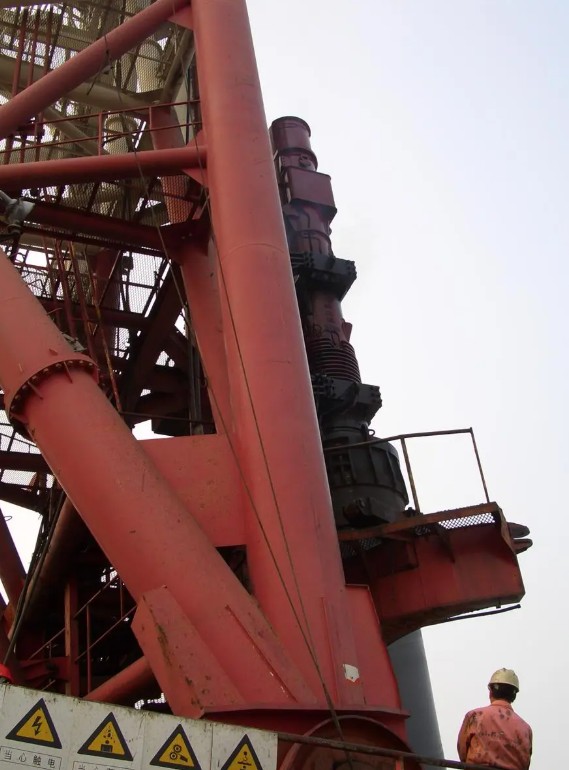
The D160 diesel pile hammer features a robust cooling system and easy upkeep, making it ideal for marine foundation installation. Regular maintenance ensures high driving efficiency and reduces downtime during pile driving operations. Teams also rely on SEMW’s dedicated service support for troubleshooting and maintenance, ensuring reliable performance in challenging marine environments.
Vibro-hammering, combined with routine maintenance, helps address common challenges such as equipment breakdowns and environmental concerns. Teams use vibro-hammering to reduce noise and vibration, supporting noise reduction goals and minimizing the impact on marine life. Proper maintenance and advanced installation techniques extend the service life of diesel pile hammer equipment and support successful offshore wind farms foundation installation.
Tip: Regular maintenance and the use of advanced installation techniques, such as vibro-hammering, ensure reliable marine foundation installation and compliance with environmental regulations.
Regulations and Environmental Impact Offshore
Local Laws and Permitting for Offshore Wind Farms
Project teams must navigate complex regulatory frameworks when planning offshore wind power installations. Local authorities require strict compliance with environmental standards and safety protocols. Permitting processes often involve environmental impact assessments, public consultations, and documentation of mitigation plans. Teams submit detailed reports on noise pollution, marine life protection, and construction methods. Regulatory agencies review these documents to ensure offshore wind power projects meet all legal requirements.
Minimizing Environmental Impact of Pile Driving
Offshore pile driving generates significant noise pollution and vibration, which can affect marine ecosystems. Teams prioritize low noise and vibration techniques to reduce harm. They implement a range of noise mitigation strategies, including:
- Use of low noise foundations such as gravity-based, suction bucket, and shallow-water floating foundations.
- Application of vibratory hammers and hydraulic pressing to minimize noise pollution.
- Deployment of sound barriers and advanced technologies like bubble curtains to dampen vibration.
- Installation of pipe-in-pipe systems, hydro sound dampers, and noise mitigation screens.
- Adoption of gentle driving methods, bluepiling, and vibrojet techniques.
These mitigation measures help protect sensitive species and maintain compliance with offshore regulations. Teams monitor noise levels throughout the project, adjusting methods as needed to achieve low noise and vibration standards.
Stakeholder Engagement in Offshore Projects
Successful offshore wind power projects require active stakeholder engagement. Teams communicate with local communities, regulatory agencies, and environmental groups. They share information about noise mitigation plans and environmental protection efforts. Regular updates and transparent reporting build trust and address concerns about noise pollution and marine impacts. Stakeholder feedback guides project adjustments, ensuring offshore wind power installations align with community expectations and regulatory standards.
Project teams achieve success in wind farm construction by selecting the right diesel pile hammer, following best practices, and maintaining regulatory compliance. Advanced hammer features enhance wind installation efficiency, minimize environmental impact, and ensure wind structural integrity. Expert support improves wind safety and wind operational efficiency. Teams should consult equipment providers for wind project optimization.
- Advanced hammer features boost wind installation efficiency and minimize wind environmental impact.
- Expert support ensures wind safety and wind operational efficiency.
- Teams should consult equipment providers for wind project optimization.
FAQ
What makes diesel pile hammers suitable for offshore wind farm installation?
Diesel pile hammers deliver consistent energy output, supporting deep pile installation in offshore wind farms. Their robust design withstands harsh marine conditions, ensuring reliable installation performance and project safety.
How often should teams perform maintenance during offshore installation?
Teams should inspect and maintain diesel pile hammers before each installation shift. Routine checks help prevent breakdowns, ensuring smooth installation and minimizing delays in offshore environments.
Can advanced features improve installation efficiency in offshore projects?
Yes. Features like double fuel pump systems and floating helmet designs enhance installation speed and precision. These innovations support efficient offshore installation and extend equipment service life.
Tip: Regular installation equipment checks and advanced technology boost offshore installation success.
Post time: Dec-01-2025