
 한국어
한국어 中文
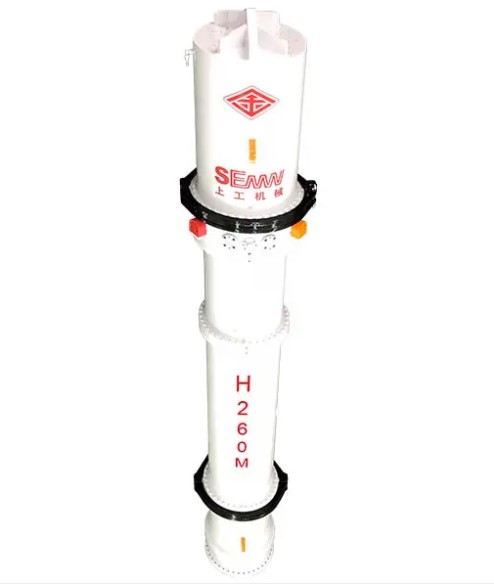
中文The h260m hm series hydraulic hammer drives innovation in modern construction. Its double acting design combines advanced technology with high strike energy and intelligent control. The hammer operates with low noise and reduced pollution, using a hydraulic system powered by a low emission engine.
- The hydraulic hammer market is projected to reach US$ 1.6 billion in 2025.
- Expected growth continues at a CAGR of 6.0% from 2025 to 2032.
H260M HM Series Hydraulic Hammer Overview
Key Features
The h260m hm series hydraulic hammer brings advanced technology to the world of hydraulic hammers and breakers. This model uses a double acting type, which means it lifts and strikes with hydraulic oil for greater breaking power. The intelligent control system allows operators to adjust the hammer stroke and impact time for different jobs. Low noise and reduced pollution make this hammer a smart choice for urban and environmentally sensitive projects. High quality materials and components ensure long service life and reliability. The h260m hm series hydraulic hammer stands out among types of hydraulic hammers for its ability to deliver consistent breaking power and maintain high quality performance in tough conditions.
Operators notice the difference in quality and efficiency when using this hammer compared to other hydraulic breakers. The system absorbs vibration well, which protects both the machine and the operator. This focus on safety and durability sets the hammers apart in the market.
Technology and Design
The h260m hm series hydraulic hammer uses a double acting design. Hydraulic oil lifts the striking parts and delivers energy during the downstroke. This method increases the number of blows per minute and improves efficiency in driving piles. The hammer’s intelligent system adjusts to different geological conditions, making it suitable for many applications.
Below is a table showing the main technical specifications:
| Specification | Value |
|---|---|
| Product Model | H260M |
| Max. strike energy (kJ) | 260 |
| Ram Weight (kg) | 12500 |
| Total Weight (kg) | 30000 |
| Stroke of hammer (mm) | 1000 |
| Max. drop hammer speed (m/s) | 6.3 |
| Dimensions (mm) | 9015 |
| Working pressure of hydraulic cylinder (MPa) | 20~25 |
| Maximum operating frequency (bpm) | 30@600LPM |
| Oil Flow (L/min) | 600 |
| Diesel engine power (hp) | 500 |
Hydraulic hammers and breakers like the H260M model offer more control and less environmental impact than traditional hydraulic breakers. The combination of high breaking power, quality engineering, and advanced design makes this hammer a leader in the field.
Top Use Cases in 2025
Impact Piling Projects
The h260m hm series hydraulic hammer leads the way in impact piling projects. Construction teams use this tool to drive piles deep into the ground for building foundations. The double acting design delivers high strike energy, which helps penetrate tough soil and concrete layers. Operators can adjust the hammer stroke and impact time, making it easy to work with different pile shapes and materials. The hammer’s intelligent control system allows precise energy release, which improves efficiency and reduces wear on both the equipment and the piles.
Impact piling often involves working with concrete piles, steel piles, and composite piles. The hammers adapt to various geological conditions, including dense clay, sand, and rock. This adaptability makes the hydraulic breakers suitable for urban construction, bridge supports, and large-scale demolition projects. The ability to change pile caps quickly means crews can switch between concrete and steel piles without losing time.
Tip: Teams should select the right pile cap for each material to maximize the hammer’s impact force and minimize damage.
Infrastructure and Marine Construction
Infrastructure and marine construction projects demand reliable and powerful equipment. The h260m hm series hydraulic hammer excels in building cross-sea bridges, offshore platforms, and deep-water docks. These projects often require driving piles into underwater rock and concrete layers, which can be challenging. The hydraulic breakers provide consistent strike energy, ensuring stable foundations for heavy structures.
Construction companies in Spain reported a 20% reduction in installation time when using hydraulic impact systems compared to diesel systems. The U.S. Federal Highway Administration observed that hydraulic pile hammers are replacing diesel models because they offer better precision and lower emissions. These advantages help teams meet tight deadlines and comply with environmental regulations.
Crews use the hammers for demolition of old piers and installation of new concrete supports. The hydraulic system’s low noise and pollution levels make it ideal for sensitive marine environments. Operators can adjust the hammer’s settings to match the geological conditions, whether working with sand, clay, or rock.
- Key benefits for infrastructure and marine construction:
- Faster installation of concrete and steel piles
- Reduced environmental impact
- Improved precision in pile placement
- Reliable performance in harsh underwater conditions
Renewable Energy Foundations
Renewable energy projects rely on stable foundations for wind turbines and solar panel supports. The h260m hm series hydraulic hammer is designed to drive piles into the seabed, which is essential for offshore wind farms. Its precision and reliability ensure effective installation in challenging soil and rock environments. The hydraulic breakers adapt to different soil types, allowing teams to install concrete supports even in deep water or rocky seabeds.
Crews use the hammers for demolition of old foundations and installation of new ones. The adaptability of the hydraulic system minimizes risks during installation, which increases overall efficiency and quality. Operators can adjust the hammer’s impact force and frequency to match the geological conditions, ensuring secure placement of renewable energy structures.
- Applications in renewable energy:
- Offshore wind turbine foundations
- Solar panel support installations
- Demolition of outdated concrete bases
- Adaptation to various soil and rock types
Heavy-Duty Applications
Heavy-duty construction projects require equipment that can handle extreme loads and tough materials. The h260m hm series hydraulic hammer meets these demands with its high strike energy and robust design. Crews use the hydraulic breakers for demolition of large concrete structures, breaking up rock formations, and driving massive piles for industrial facilities.
The hammer’s reliability reduces downtime risk, which is crucial for controlling project costs. The Total Cost of Ownership (TCO) includes more than the initial purchase price. Downtime and penalties for delays can make a cheaper hammer more expensive in the long run. The h260m hm series hydraulic hammer helps teams avoid these risks by providing consistent performance and durability.
Operators use the hammers for demolition of concrete bridges, breaking rock for mining operations, and installing heavy-duty foundations. The ability to switch between different pile caps and adjust settings for various materials makes the hydraulic breakers versatile tools for any large-scale project.
- Heavy-duty use cases:
- Demolition of concrete and rock structures
- Installation of industrial foundations
- Mining and quarry operations
- Large-scale infrastructure projects
Note: Choosing the right hydraulic hammer for each application ensures maximum efficiency and cost savings.
Adaptability for Different Pile Shapes, Materials, and Geological Conditions
The h260m hm series hydraulic hammer stands out for its adaptability. Operators can replace the composite pile cap to fit different pile shapes, such as round, square, or H-shaped piles. The hammer works with concrete, steel, and composite materials. The intelligent control system allows adjustments for geological conditions, including clay, sand, and rock.
Hydraulic breakers offer flexibility for demolition, construction, and foundation work. Teams can use the hammers in urban areas, marine environments, and remote sites. The ability to control impact force and frequency helps crews achieve the best results in any situation.
- Adaptability highlights:
- Quick change of pile caps for different shapes
- Compatibility with concrete, steel, and composite piles
- Adjustable settings for various soil and rock types
- Reliable performance in demolition and construction projects
Operators who use the h260m hm series hydraulic hammer benefit from its versatility and efficiency across a wide range of use cases.
Performance and Maintenance Tips
Setup and Operation
Proper setup ensures the hydraulic hammer delivers optimal performance. Operators should begin with a flow test to match equipment specifications. They must check that the hammer is firmly planted on the material before starting work. Avoiding prolonged cycling in one spot helps maintain consistent performance and prevents unnecessary wear. Teams should always use the recommended hydraulic hammer lubricant to reduce friction and prevent overheating. Storing the hammer vertically protects it from misalignment and water intrusion.
Tip: Training operators on correct techniques increases the hammer’s working life and boosts overall performance.
Routine Maintenance
Routine maintenance keeps the H260M HM Series Hydraulic Hammer reliable and effective. Daily visual inspections help spot damage and wear early. Weekly and annual checks ensure the equipment stays in top condition. Operators should inspect for loose bolts and fluid leaks before each use. Greasing the hammer at least once per operation prevents excessive wear and supports long-term performance. Scheduling regular maintenance allows teams to catch potential issues before they affect productivity.
| Maintenance Task | Frequency | Benefit |
|---|---|---|
| Visual inspection | Daily | Detects damage and wear |
| Bolt and leak check | Before use | Prevents breakdowns |
| Greasing | Each use | Reduces friction and wear |
| Full inspection | Weekly/Annual | Extends equipment lifespan |
Troubleshooting
Troubleshooting hydraulic flow issues helps maintain high performance. Operators should check shutoff valves and fluid couplers to confirm they are open and connected. Verifying pressure and return lines ensures proper flow between the hammer and carrier. A visual inspection may reveal broken fasteners or misalignments. Checking nitrogen levels keeps the hammer operating within the correct range. Inspecting for mechanical binds in the chuck housing or tool holder can resolve operational problems. Examining the shuttle valve or piston shifting valve ensures smooth performance.
Note: Quick troubleshooting keeps the hammer running efficiently and minimizes downtime.
Compatibility and Carrier Selection
Carrier Machine Requirements
Selecting the right carrier machine ensures the H260M HM Series Hydraulic Hammer works efficiently. Most construction teams choose a large excavator to handle the hammer’s weight and power needs. The excavator must have a strong boom and arm to support the 30,000 kg total weight. Operators should check that the excavator’s hydraulic system matches the hammer’s requirements. A reinforced undercarriage helps the excavator stay stable during heavy-duty piling or demolition. Many teams prefer an excavator with advanced control systems for better precision and safety. The carrier should also have enough counterweight to balance the hammer during operation.
Tip: Always confirm the excavator’s lifting capacity before attaching the hydraulic hammer.
Hydraulic Flow and Pressure
Proper hydraulic flow and pressure keep the H260M HM Series Hydraulic Hammer running smoothly. The excavator must deliver the correct oil flow and pressure to avoid damage and ensure high performance. The table below shows the recommended values:
| Parameter | Value |
|---|---|
| Working pressure of hydraulic cylinder | 20~25 MPa |
| Oil Flow | 600 L/min |
Operators should check the excavator’s hydraulic pump and lines to confirm they meet these standards. If the excavator cannot provide the right flow or pressure, the hammer may not reach full impact energy. Regular checks help prevent leaks or drops in performance. Matching the excavator and hydraulic hammer creates a safe and productive jobsite.
Note: Using the correct excavator and hydraulic settings extends the life of both the hammer and the carrier.
Safety and Efficiency Practices
Operator Safety
Operator safety remains a top priority when using the H260M HM Series Hydraulic Hammer. Teams should ensure all operators receive proper training and certification. This training helps workers understand the equipment’s capabilities and hazards. Operators must always wear personal protective equipment such as hard hats, safety glasses, and gloves. Regular equipment inspections help identify wear or damage before it becomes a problem. A clean and organized work area reduces hazards and supports safe operation. Companies should encourage open communication and ongoing safety training. Monitoring workers’ health can help reduce risks from long-term exposure to vibration and noise. Following the manufacturer’s operating procedures prevents accidents and keeps everyone safe.
The H260M HM Series offers environmental advantages over traditional hydraulic breakers. Its low noise and reduced pollution help protect both workers and the surrounding environment.
Jobsite Efficiency
Maximizing efficiency on the jobsite requires careful planning and best practices. Teams can follow these steps to boost productivity and minimize risks:
- Choose the right hydraulic hammer for each task to ensure optimal efficiency.
- Confirm the carrier’s hydraulic output matches the hammer’s requirements before starting work.
- Maintain the hydraulic hammer regularly to keep it running at peak efficiency.
- Train operators in proper techniques to prevent errors and equipment damage.
- Use auto-lubrication systems to reduce wear and improve efficiency.
A well-defined emergency response plan also helps teams respond quickly to any incidents. By focusing on efficiency and safety, crews can complete projects faster and with fewer risks.
Comparing Hydraulic Breakers
H260M HM Series vs. Traditional Models
Construction teams often compare hydraulic breakers to choose the best tool for their projects. The H260M HM Series stands out because of its advanced features and intelligent control system. Many traditional models rely on fixed settings and manual adjustments. The H260M HM Series uses automation and flexible controls to improve performance.
The table below highlights the main differences between the H260M HM Series Hydraulic Hammer and traditional models:
| Feature | H260M HM Series Hydraulic Hammer | Traditional Models |
|---|---|---|
| Noise Level | Low noise, meets environmental protection requirements | Typically higher noise levels |
| Pollution | Low pollution, environmentally friendly | Higher pollution levels |
| Energy Efficiency | High energy conversion efficiency | Lower energy efficiency |
| Automation | High degree of automation, flexible operation | Lower automation, more manual control |
| Operational Flexibility | Adjustable hammer stroke and impact time for optimal use | Fixed settings, less adaptability |
| Fault Rate | Low fault rate due to advanced control systems | Higher fault rates |
This comparison shows that modern hydraulic breakers like the H260M HM Series offer better energy efficiency, lower noise, and more flexibility than older hammers.
Environmental and Performance Benefits
Users report several benefits when using the H260M HM Series. These hydraulic breakers produce low noise and low pollution, which helps protect workers and the environment. The high energy conversion efficiency means less wasted power and more effective pile driving. The intelligent control system saves energy and allows easy adjustment of hammer stroke and impact time.
Other advantages include:
- High automation for easier operation
- Reliable performance with fewer breakdowns
- Flexibility for different applications
- No oil smoke during operation
- Long duration of pile driving in each cycle
- Easy control of striking energy
These features make the H260M HM Series a top choice for teams who want reliable, efficient, and environmentally friendly hydraulic breakers. The advanced design of these hammers supports safe and productive jobsites.
The H260M HM Series Hydraulic Hammer excels in impact piling, marine construction, and renewable energy projects. Operators should select compatible excavators, check oil flow and hydraulic pressure, and match the hammer to the application. Routine inspections, protective gear, and prompt replacement of worn parts help maintain safety and peak performance.
FAQ
How does the H260M HM Series Hydraulic Hammer reduce environmental impact?
The hammer uses a hydraulic system with low emissions. Operators notice less noise and pollution compared to diesel models. This helps protect workers and nearby communities.
What types of piles can the H260M HM Series handle?
Operators can use concrete, steel, or composite piles. The hammer adapts to round, square, and H-shaped piles by changing the pile cap.
Tip: Always select the correct pile cap for each pile shape to maximize efficiency.
How often should teams perform maintenance on the H260M HM Series?
Teams should inspect the hammer daily. Weekly and annual checks help maintain reliability. Greasing before each use prevents wear and supports long-term performance.
Post time: Dec-24-2025